

Down here on the Panhandle, humidity is the quiet force working against your home every single day. Warm Gulf air holds an enormous amount of moisture, and when it meets a cool surface inside, it condenses. Give that dampness a little dust or paper backing to feed on and mold can take hold in as little as 24 to 48 hours. The frustrating part is where it starts: almost never out in the open, and almost always in the spots you rarely look. Here are the nine places we find it most often on 30A, what the early warning signs look like, and how to shut it down before it spreads.
Why Panhandle homes fight moisture all year
Your air conditioning does more than cool. It is the primary dehumidifier in most coastal homes, pulling gallons of water out of the air every day. When a system is oversized, short-cycling, or switched off in an empty second home, indoor humidity climbs fast. Add salt-heavy air, frequent afternoon storms, and long stretches where a rental or vacation home sits closed up, and you have the exact conditions mold loves. Holding indoor relative humidity between roughly 45 and 55 percent is the single best thing you can do.
The 9 hidden trouble spots
1. Under kitchen and bathroom sinks
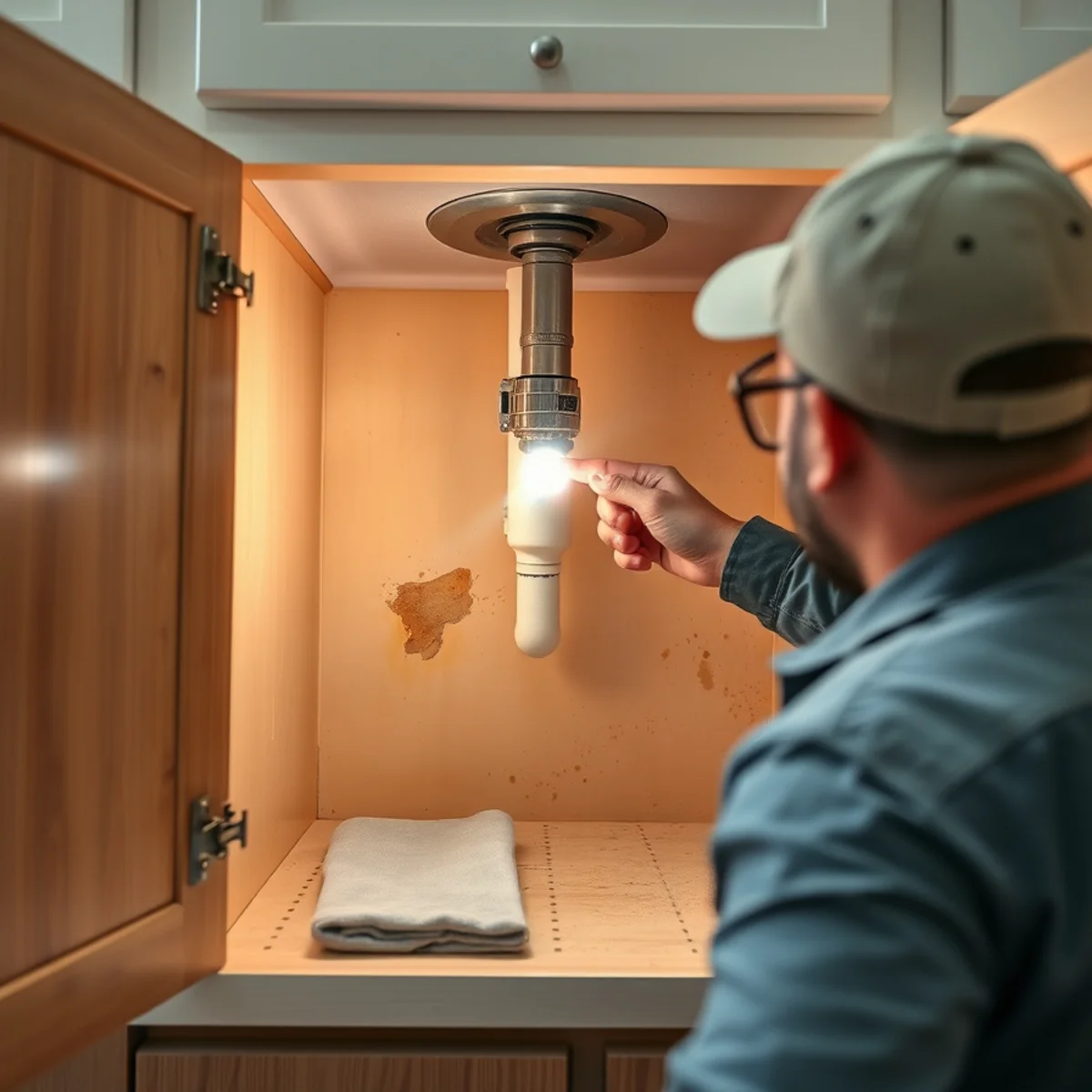
The cabinet under a sink is dark, enclosed, and one slow drip away from trouble. Look for a musty smell when you open the door, a swollen or discolored cabinet floor, or a white crust on the supply lines. Dry it out, fix the drip at the source, and set a leak alarm puck under the trap. A cheap moisture sensor pays for itself the first time it catches a supply-line weep.
2. Window sills and sliding-door tracks
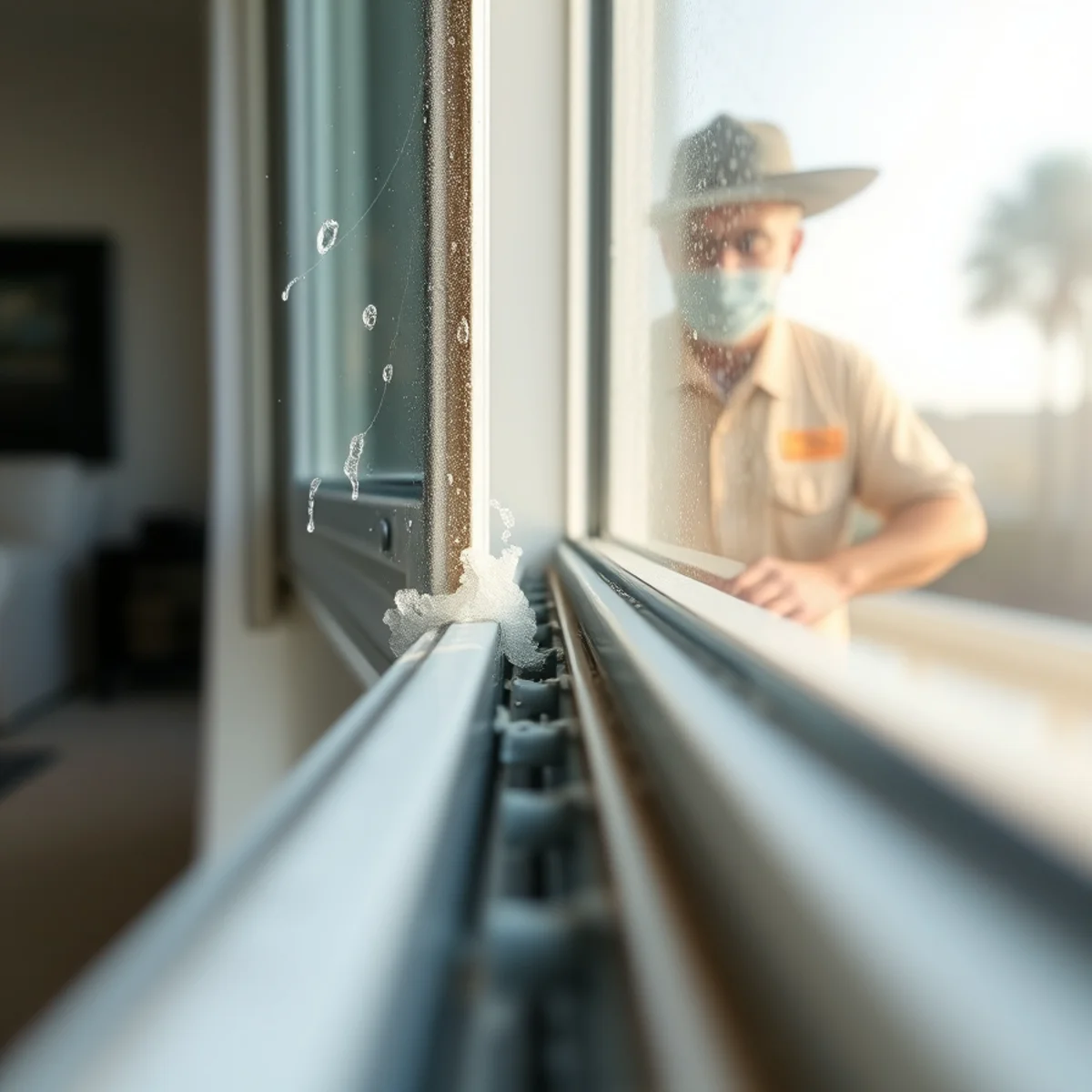
Coastal windows sweat. When humid interior air hits cool glass, water pools on the sill and in slider tracks, then wicks into the surrounding wood and caulk. Black speckling in the corners and peeling paint on the sill are the tells. Clear the weep holes at the bottom of the track, renew the interior caulk bead, and wipe condensation during cold snaps. If the seal or weatherstripping has failed, our door and window repair work stops the humid air leak that feeds the problem.
3. AC closets, air handlers, and condensate drains

The air handler is ground zero. A clogged condensate drain line backs up into the pan and overflows, soaking the platform and nearby drywall. Signs include water stains under the closet, a full drip pan, or the system shutting off on a float switch. Flush the drain line with a wet vac every few months, keep a fresh filter in place, and make sure the pan slopes to drain. This is one to stay ahead of, because an overflow rarely stays contained.
4. Behind furniture on exterior walls

Push a headboard or sofa tight against an exterior wall and you trap a pocket of still, humid air the AC never reaches. That cool wall surface becomes a condensation point, and mold blooms behind the furniture where no one sees it for months. Pull furniture two to three inches off exterior walls, especially in guest rooms that stay closed. If you spot growth, the drywall itself may already be compromised.
5. The attic
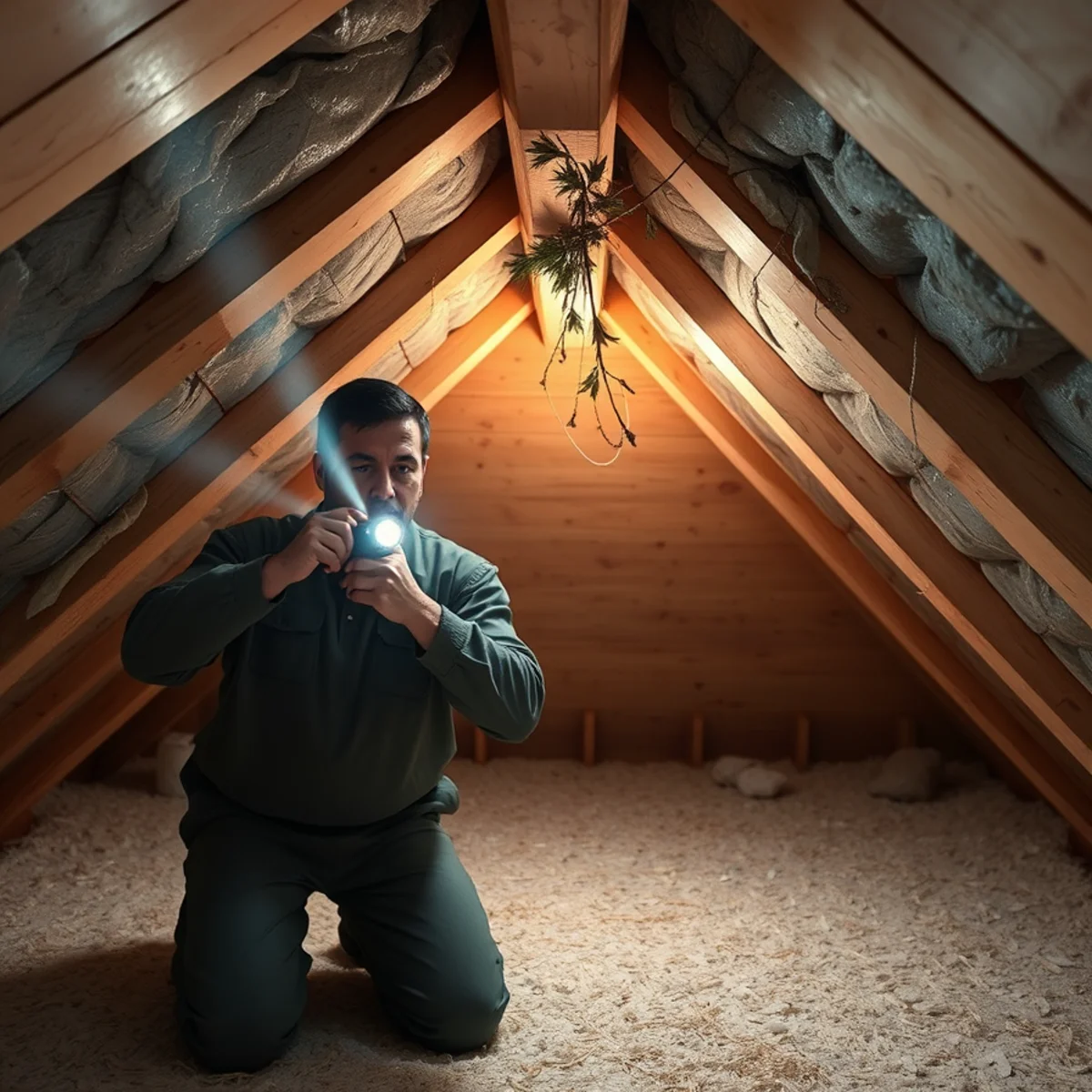
Attics swing from hot to humid and back, and a single disconnected bathroom vent dumping moist air into the space will grow mold on the underside of the roof sheathing. Look for dark staining on the plywood, a damp smell, or matted insulation. Confirm every bath and dryer vent runs all the way outside rather than into the attic, and check that soffit and ridge vents are clear. Good airflow is what keeps an attic dry.
6. Shower caulk and grout
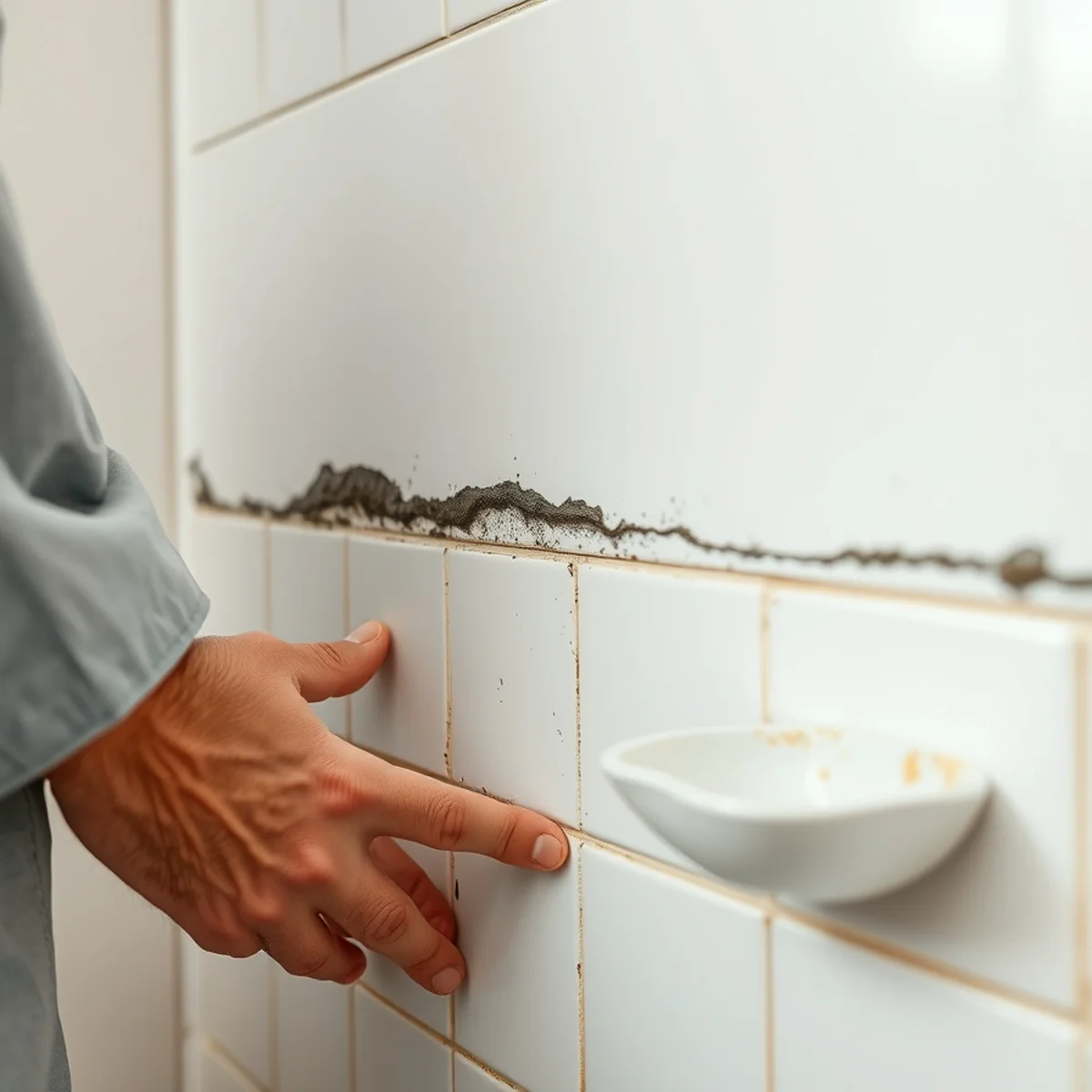
A bathroom that does not vent well is a mold factory, and the first casualties are the caulk lines and grout joints in the shower. Pink or black staining in the corners, a spongy feel underfoot, or grout that keeps darkening are your cues. Run the exhaust fan during and 20 minutes after every shower, re-caulk with a mildew-resistant product, and reseal grout yearly. When grout is failing behind the tile, water is already reaching the substrate, which is where our tile and flooring repair team steps in.
7. Baseboards and the bottom of walls
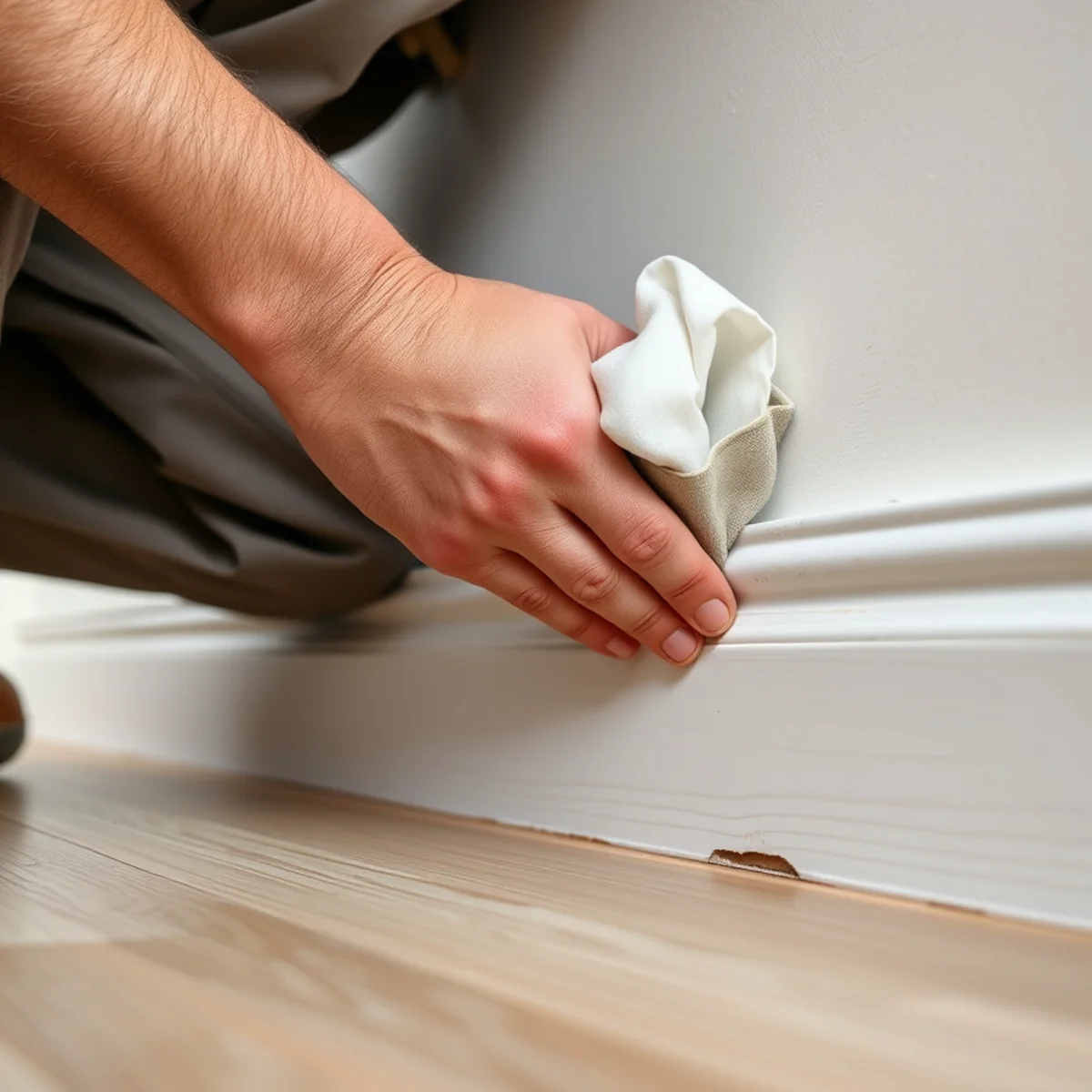
Moisture is heavy and it settles low, so the bottom few inches of drywall and the baseboards are often the first painted surfaces to show trouble. Watch for bubbling paint, a soft or crumbly feel, or a visible tide line. Small areas can be dried and cleaned, but drywall that has wicked water and grown mold needs to be cut out and replaced, not painted over. That is straightforward drywall repair, and doing it right means fixing the moisture source first.
8. The laundry room

Between a warm dryer, a lint-clogged vent, and washer supply lines under constant pressure, the laundry room stacks up risk. A humid, warm room, a dryer that takes two cycles to finish, or dampness behind the machines all point to a venting or leak issue. Clean the dryer duct run at least yearly, replace rubber washer hoses with braided stainless, and add a vent fan if the room has no window.
9. Closets in a closed-up second home
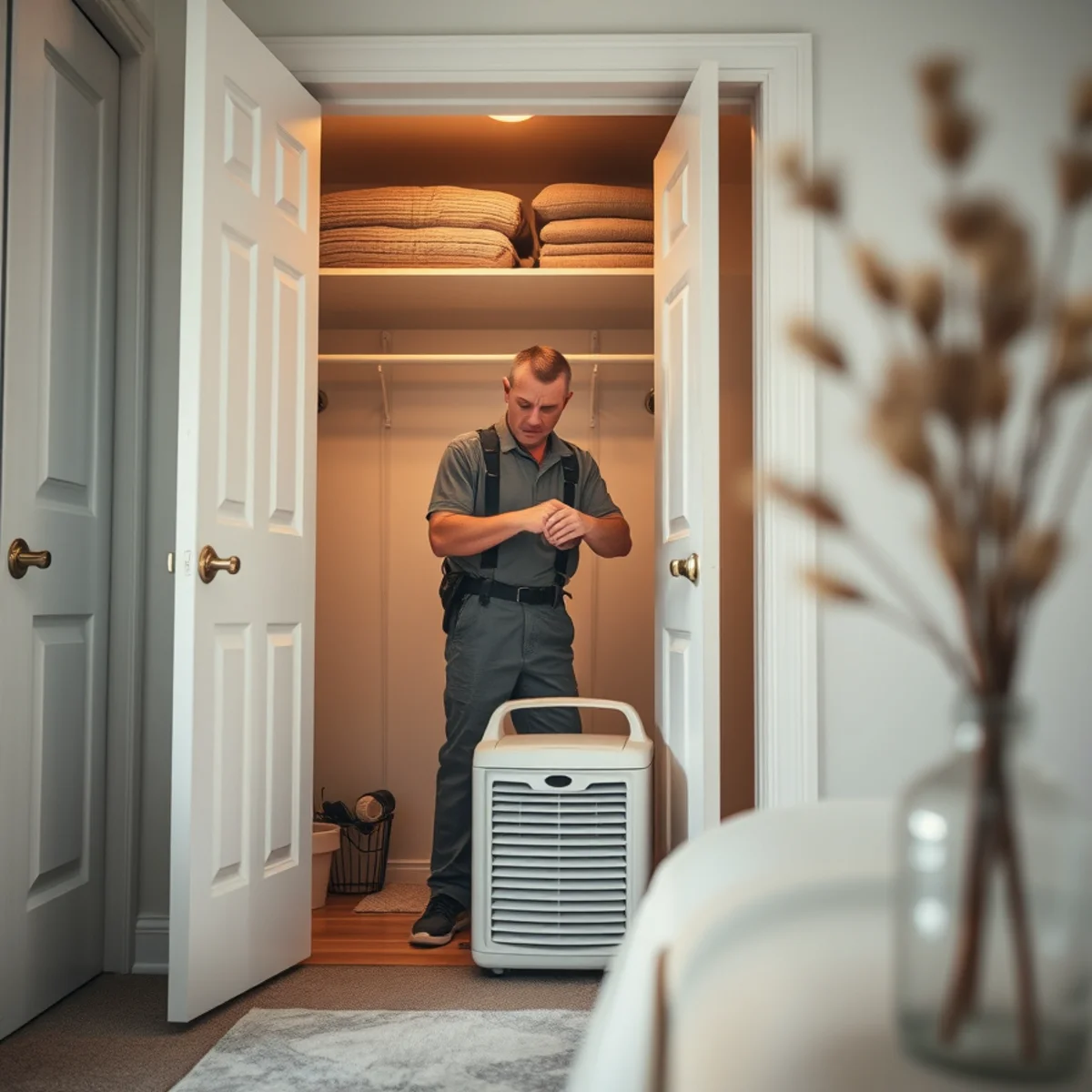
This is the big one for absentee owners. A closet in a vacant home has no air movement, and if the AC is set too high or turned off to save money, humidity creeps toward 70 percent and mold quietly takes over shoes, drywall, and stored linens. We see it constantly in second homes and rentals around Seagrove Beach and WaterColor that sit empty between stays. Never fully shut the system down. Set the thermostat to hold a reasonable temperature with a humidity target, and crack closet doors so conditioned air circulates.
How to stay ahead of humidity and mold
The playbook is simple, and it works.
- Keep the AC running, even in an empty home, ideally with a thermostat that targets humidity and not just temperature.
- Add a dehumidifier in problem areas like a laundry room or a ground-floor closet.
- Use your exhaust fans, and run them longer than you think you need to.
- Renew caulk and weatherstripping before it starts letting humid air in.
- Check the hidden spots above a few times a year, because a damp cabinet caught early is a wipe-down, while one ignored is a rebuild.
Folding these checks into a broader coastal home maintenance routine keeps anything from slipping through the cracks.
When it is bigger than a wipe-down
Here is the honest line we draw. Surface mildew on caulk, grout, or a painted wall is a cleaning job, and better airflow plus a dehumidifier usually keeps it from coming back. Once mold has soaked into drywall, insulation, or trim, or once it spreads past a small patch, that porous material has to come out, and a large or repeated bloom calls for proper remediation before anyone rebuilds. We would rather tell you that than paint over a problem that returns by next summer. And remember, a dehumidifier is no cure for a leak, so we chase the water down first, the heart of steady salt-air home maintenance down here.
If you have found staining, a musty smell, or soft spots and you are not sure how deep it goes, we can help. Call 30A Home Fixology at (877) 753-5021 for a free estimate. We will track down the moisture source, repair the damage, and set your home up to stay dry through the next humid season.