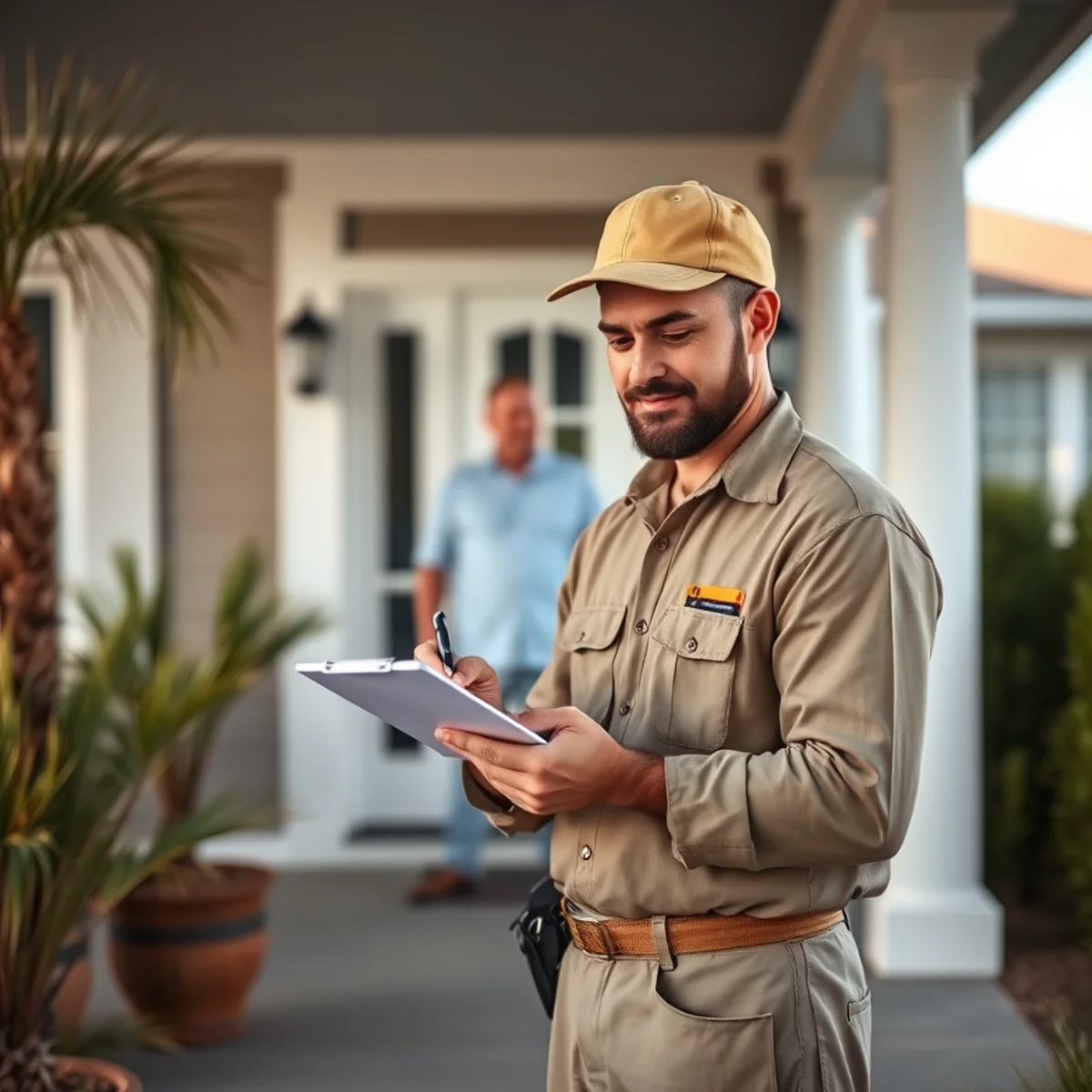
To get your Santa Rosa Beach home ready for hurricane season, do the work in May or early June, before a name is ever in the cone: test shutters and doors, clear the gutters, secure or store loose outdoor items, trim risky limbs, check the generator, and document everything. Here is the zone-by-zone checklist we use.
Hurricane season runs June 1 through November 30, but the smart time to prep is well before the shelves go empty. We learned that firsthand helping neighbors dig out after the January 2024 tornado tore through the area. The homes that came through best were the ones prepped calmly ahead of time, not scrambling the day the hardware store ran out.
Prep in May or June, not in the cone
When a storm is three days out, every crew on 30A is booked, plywood sells out, and shutter installers stop answering the phone. Early prep means you can source the right materials, fix small problems before they matter, and stage everything so a real threat only takes an hour to finish. Calm decisions beat panic decisions every time.
Windows, doors, and shutters
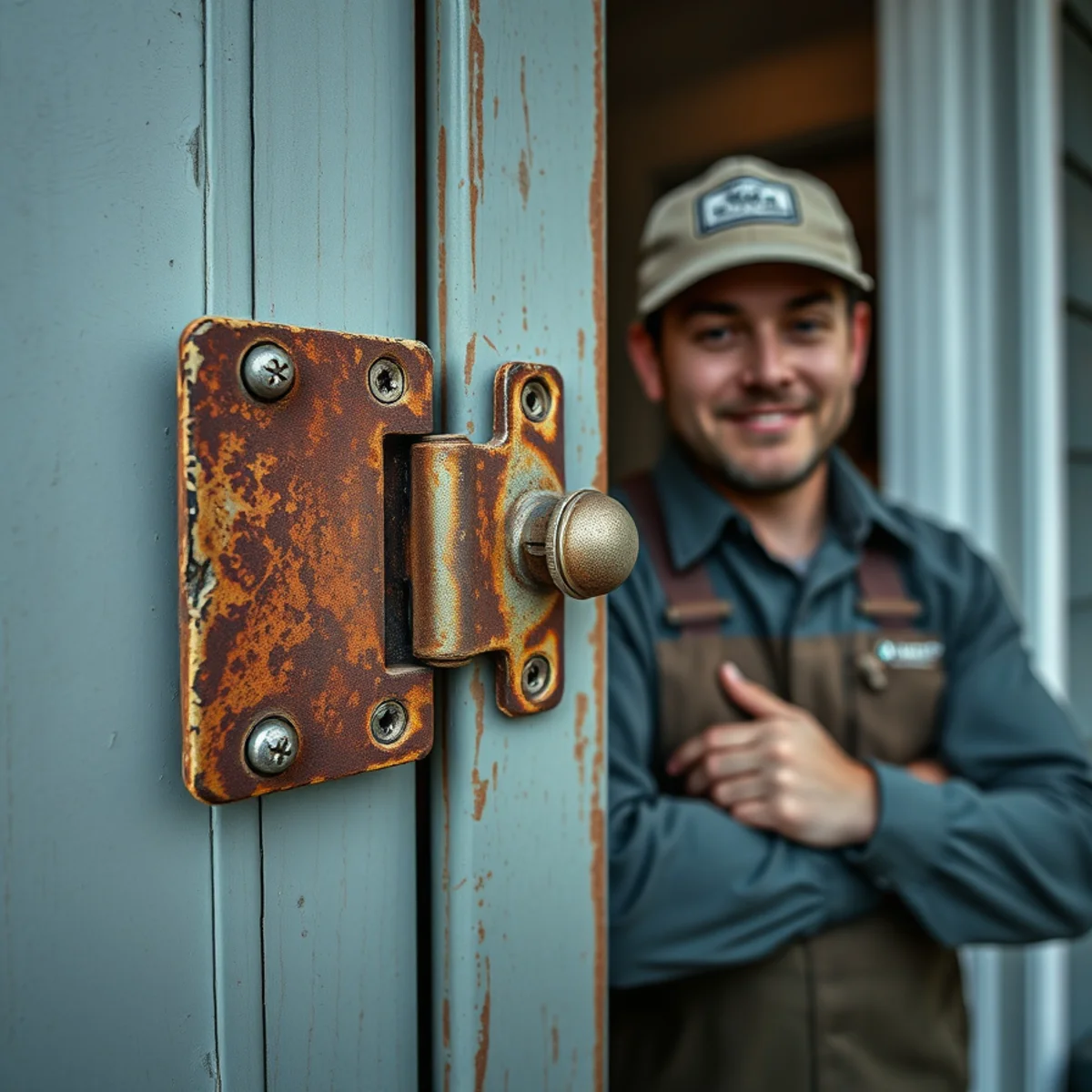
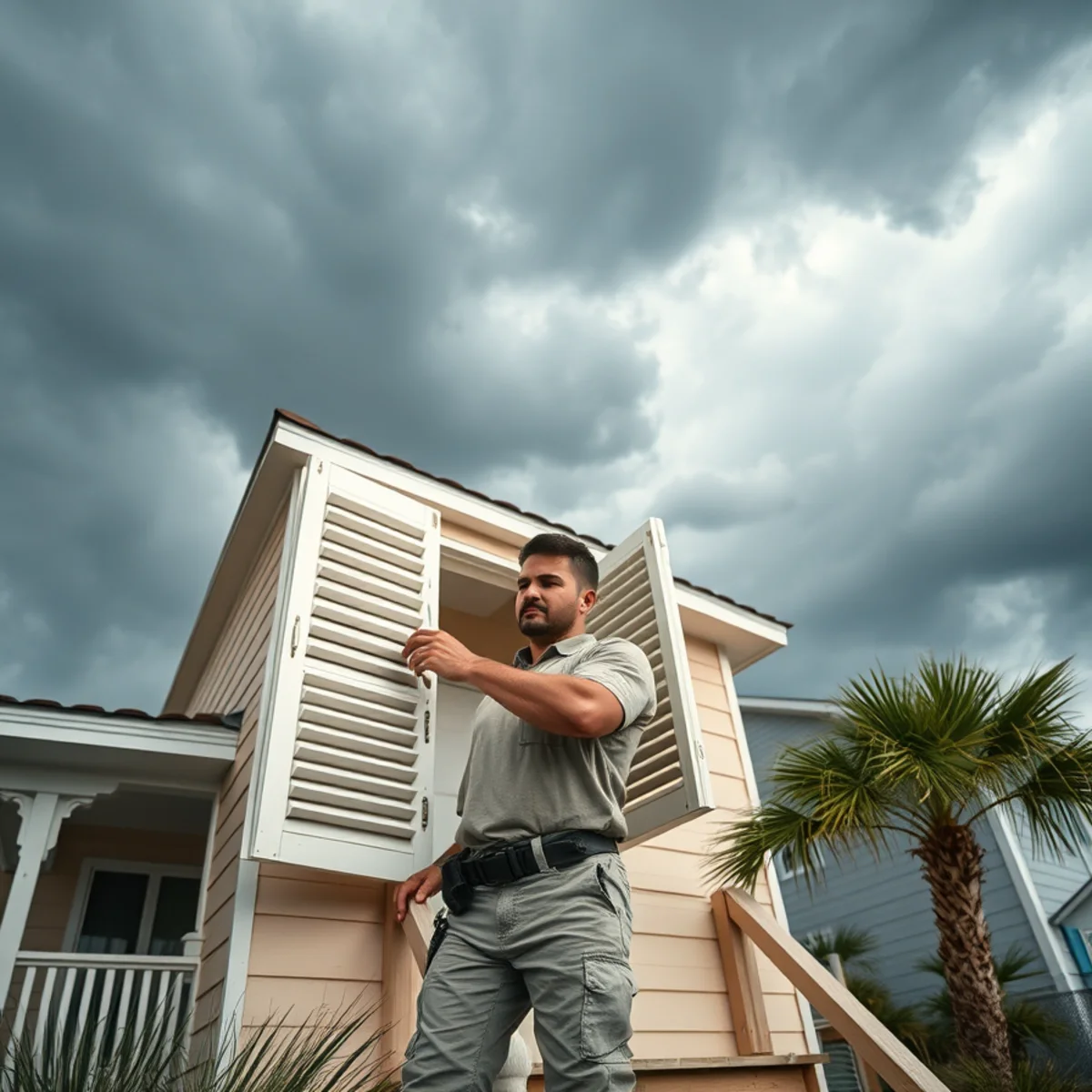
- Test every shutter, track, and fastener now. Bolts corrode and panels warp in the off-season.
- Confirm you have a labeled panel for every opening. Missing one in July is a bad surprise.
- Check that exterior doors latch tight and weatherstripping seals. Wind-driven rain finds every gap.
- If you board up instead, pre-cut and label plywood by window so it goes up fast. Our comparison of storm shutters vs. plywood walks through which makes sense for your place.
Gutters, drainage, and grading
A tropical system dumps rain by the foot, not the inch. Water has to get away from the house fast.
- Clear gutters and downspouts of pine needles and debris so they actually carry the load.
- Confirm downspouts push water several feet from the foundation.
- Check that the ground slopes away from the house and that any drains are open.
Clogged gutters overflow into fascia and walls during exactly the storm you needed them to work. A pre-season gutter cleaning is cheap insurance.
Roof, fascia, and soffit
- From the ground with binoculars, scan for lifted, cracked, or missing shingles. Wind peels the loose ones first.
- Check soffit and fascia for gaps or rot. Loose soffit panels let wind pressure into the attic, which is how roofs come off.
- Look for daylight or stains in the attic that point to a leak already starting.
- Leave anything steep, high, or structural to a pro. It is not worth a fall.
Outdoor furniture, structures, and docks
In high wind, loose objects become missiles. Give everything outside a home or a hold-down.
- Plan where patio furniture, grills, planters, and umbrellas will go inside the garage or a secured room.
- Check that pergolas, railings, gates, and fence sections are solidly fastened, not just standing there.
- Inspect pool-cage and lanai screens and their fasteners. A loose panel catches wind like a sail and can peel a whole section, so we tighten or replace it under screen enclosure repair before the season.
- Inspect dock boards, cleats, and pilings for rot and loose hardware while the water is calm. Storm surge tests every weak connection at once.
We handle the loose railings, gates, and deck and dock repair that turn into flying debris or surge damage when they are left half-attached.
Trees, limbs, and yard hazards
Gulf wind turns your own yard against the house. A dead limb over the roof or a pile of loose debris is a projectile waiting for the first strong gust.
- Walk the property for dead or overhanging branches near the roof, windows, and power lines, and get the risky ones trimmed back early in the season.
- Clear the yard of loose items wind can throw: stray boards, empty pots, kids' toys, and yard tools.
- Bring in or anchor anything on porches and balconies, including doormats and light planters that seem harmless until they are airborne.
Generators and power
- Run a portable or standby generator before the season so you know it starts and holds a load.
- Store fresh fuel safely and never run a generator inside a garage or near open windows.
- Charge battery banks and confirm surge protectors on the expensive electronics are current.
- Plan how you will keep phones and any medical devices charged, and keep coolers and ice ready for the fridge and medications.
Stage a storm kit before the season
When the forecast turns, you want supplies already in the closet, not on a sold-out shelf. Build the kit in the calm and refresh it each spring.
- Drinking water and non-perishable food for several days, plus a manual can opener.
- Flashlights, a battery or hand-crank radio, and fresh batteries in every common size.
- A first-aid kit and at least a week of any prescription medications.
- Fresh fuel for the generator, stored safely, and full propane for the grill.
- Tarps, a staple gun, screws, and pre-cut plywood for fast temporary fixes after the wind stops.
- Cash in small bills, since card readers and ATMs go down with the power.
Documentation before the storm
Ten minutes now saves a claims nightmare later.
- Walk the house and property with your phone camera, inside and out, and save the video to the cloud.
- Photograph the roof, major systems, and any high-value contents.
- Keep your insurance policy, agent contact, and a simple home inventory somewhere you can reach from your phone.
Prepping a home you do not live in
A lot of 30A homes sit empty when a storm spins up, and you cannot pre-cut plywood or haul in the patio furniture by phone from Atlanta or Nashville. Second-home and rental owners need the prep done long before the season, not in the 72-hour scramble.
- Have a local crew install and test permanent protection now, so deploying it later is quick even if a manager or neighbor does it.
- Keep an updated list of who holds keys, codes, and the authority to secure the house on short notice.
- Schedule the pre-season inspection early, while shutters, gutters, and hardware can be fixed calmly.
- Line up your post-storm repair contact before the rush, so you are not cold-calling from out of state after landfall.
This is exactly the kind of remote-owner work our guarantee is built for. We send photo updates so you can see the house is ready and, later, exactly what the storm did, whether you ride it out here or watch the radar from three states away.
After the storm: safe first steps
Once it passes, slow down and stay safe.
- Treat every downed line as live, and do not wade through standing water near outlets or panels.
- Do a careful exterior walk in daylight and document damage before you touch or move anything.
- Make temporary fixes, like tarping a breach or boarding a broken window, to stop water from doing more harm.
- Call your insurer early, and line up qualified repair help before the rush hits.
This is the work we live for. Full storm prep and hurricane readiness before the season, and fast, honest post-storm repair after, for homes from the eastern gateway of Inlet Beach to the historic cottages of Grayton Beach. Our guarantee holds whether you ride it out here or watch the radar from out of state.
Get ahead of the season while there is still time. Call 30A Home Fixology at (877) 753-5021 for a free estimate on storm prep now, so your home is ready long before a name shows up in the forecast.