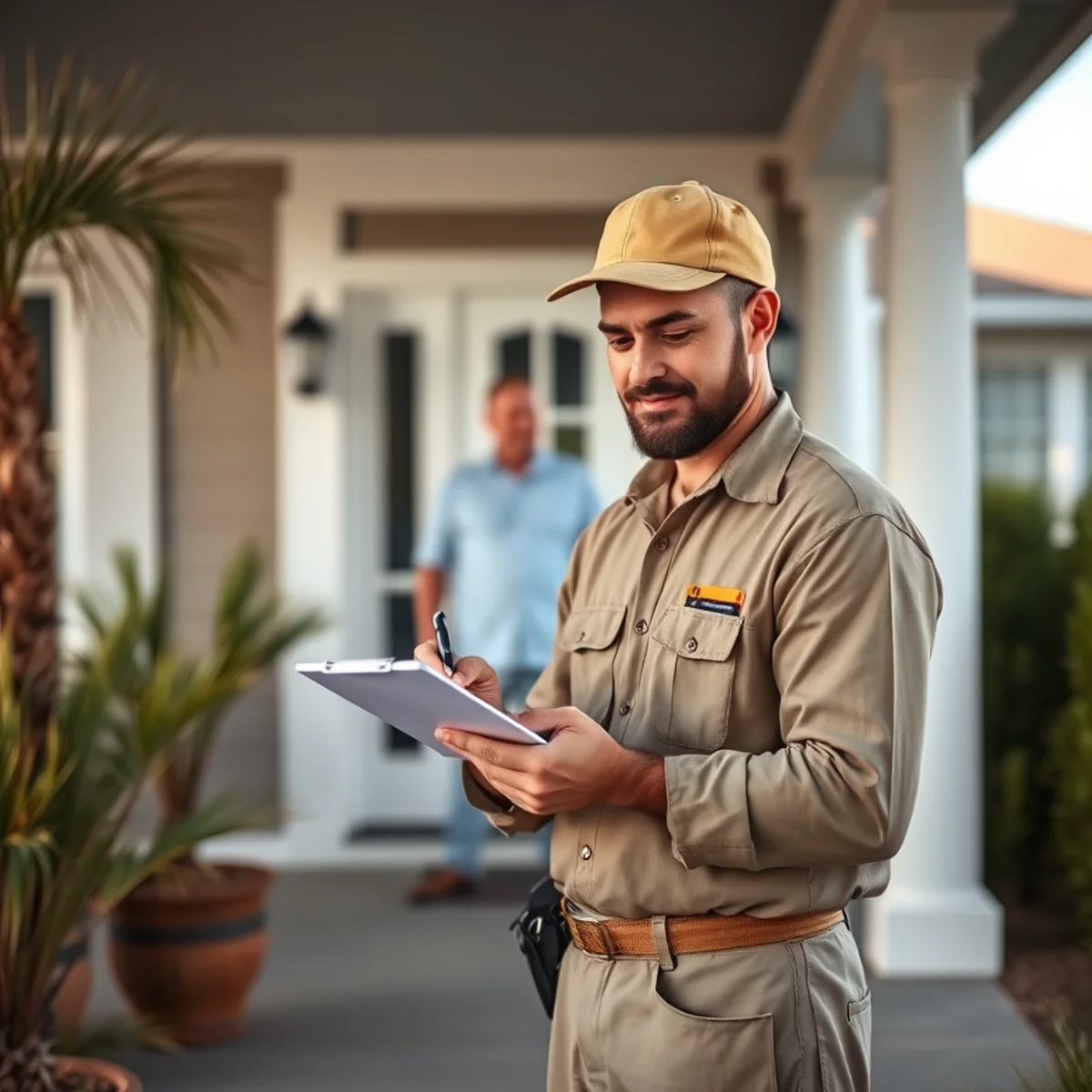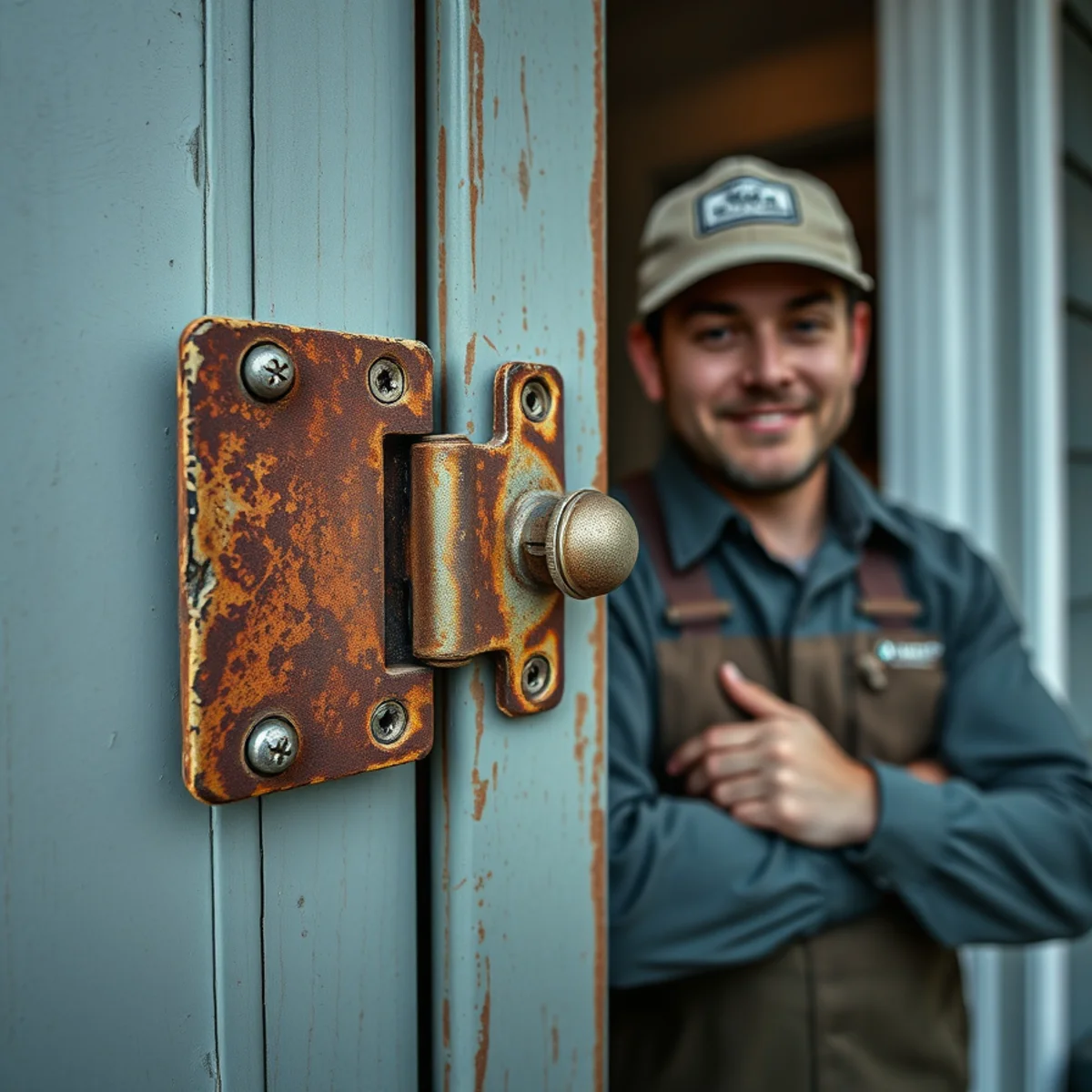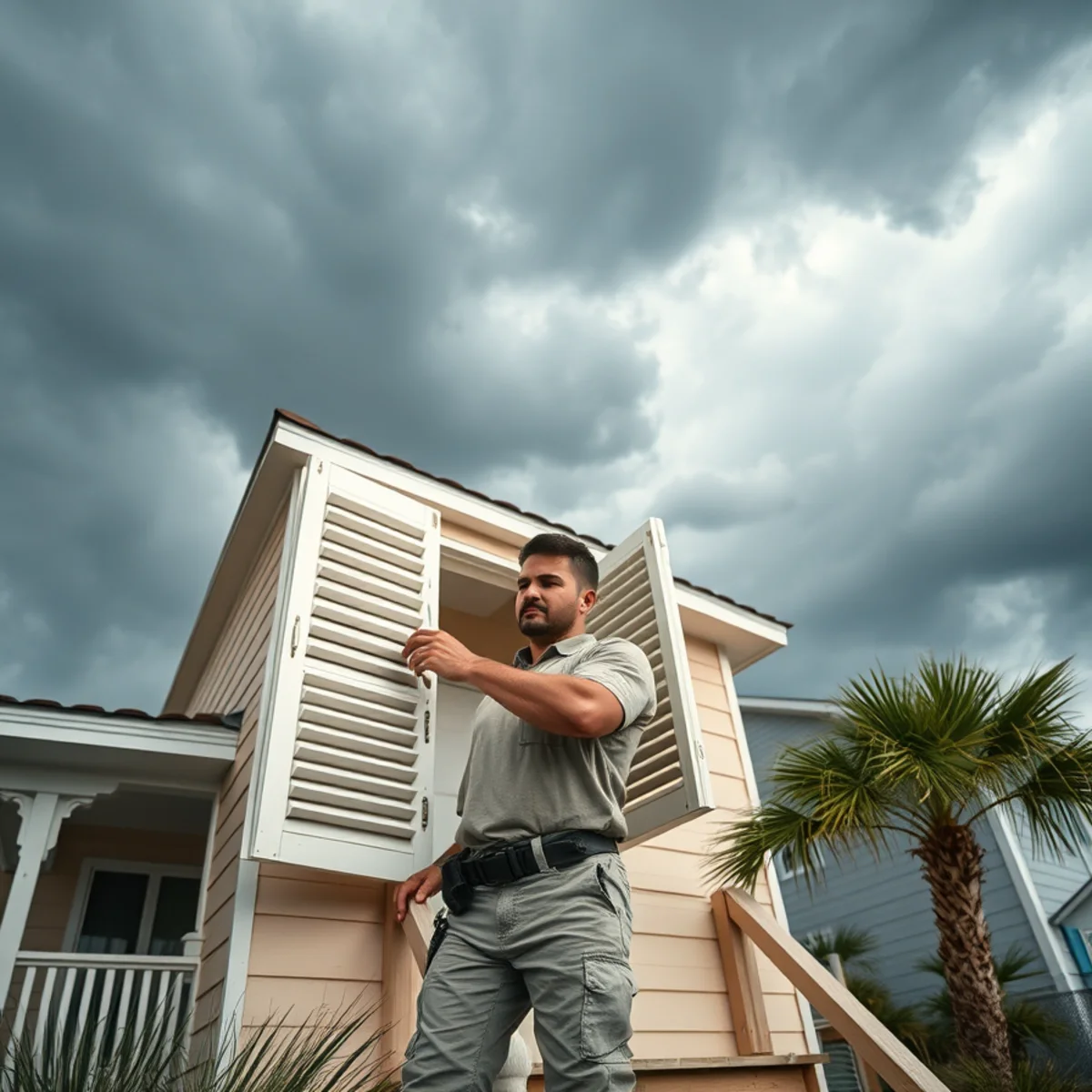
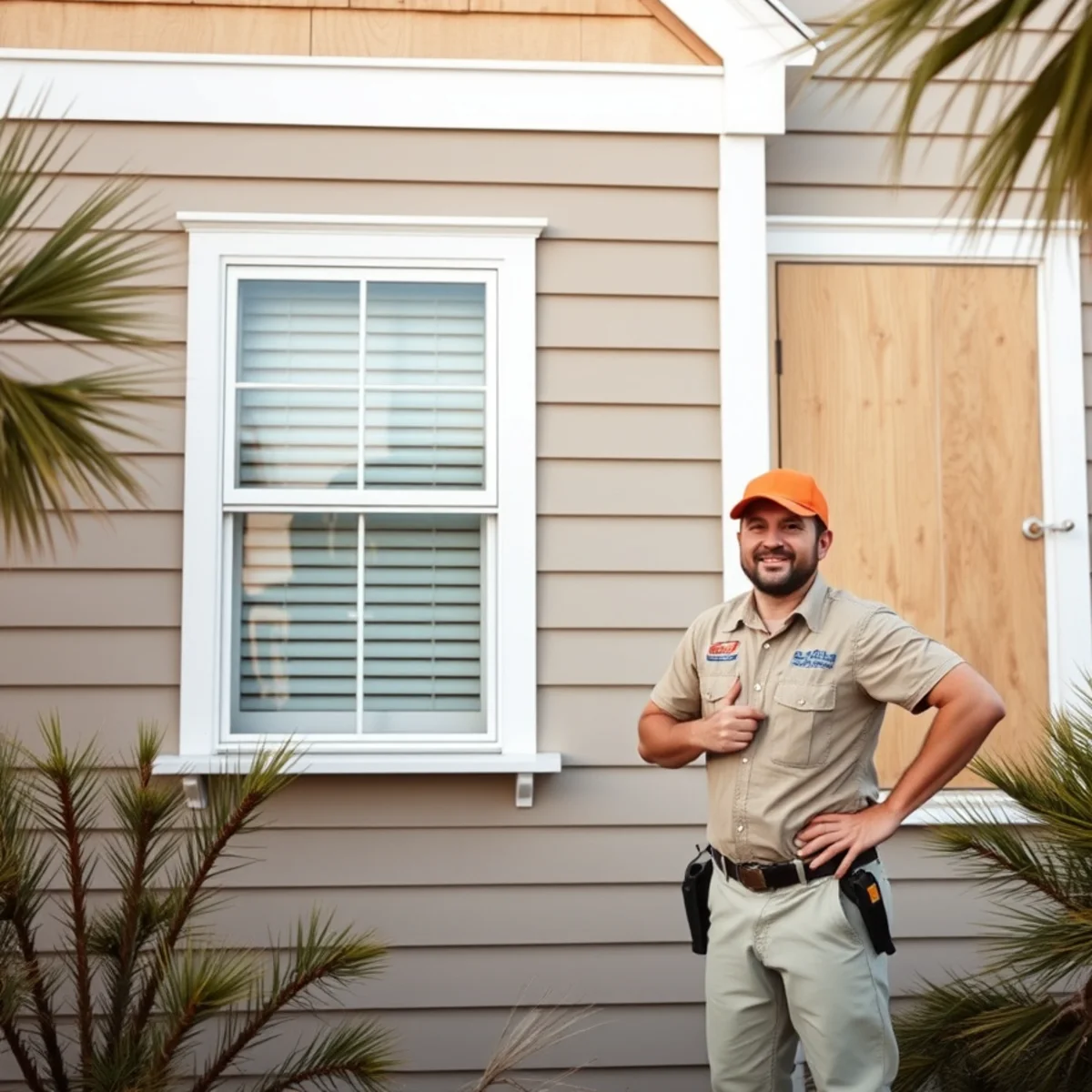
For most 30A homes, rated storm shutters are the better protection: they meet Florida wind-borne debris code, deploy in minutes, last for years, and can earn an insurance credit. Plywood is a legitimate budget stopgap only when it is thick, well-anchored, and put up by someone on site before the storm.
When a Gulf storm is three days out and the forecast cone includes 30A, every homeowner faces the same choice: protect the openings with real storm shutters, or board up with plywood. Both can work. They are not equal, and the right answer depends on your home, your budget, and whether you are even in town to put the boards up yourself. Here is an honest comparison from a crew that has installed both, and that helped neighbors dig out after the January 2024 tornado came through.
Start with why this matters. Windows and doors are the weak point in a storm. Once wind breaches an opening, pressure builds inside the house and can push the roof off from underneath. Protecting the glass is the whole game.
Plywood board-up: cheap, but only if done right
Plywood is the low-cost option and, in a pinch, a legitimate one. A board-up done wrong, though, is barely better than bare glass. Done right means all of the following:
- Minimum five-eighths-inch exterior-grade plywood, never thin sheathing.
- Anchored into the framing or masonry with proper screws, and into embedded anchors on masonry, not just nailed to the trim.
- Overlapping each opening by several inches on all sides.
- Pre-cut, labeled, and test-fit before the season, so you are not measuring in the wind and rain.
The downsides are real. Plywood is single-season at best in our humidity, heavy and awkward to handle, and it absorbs water and warps. It needs dry storage, offers no rated defense against wind-driven debris, and cannot go up at all if you are a remote owner who is not here when the storm turns.
Storm shutters: more money, far less hassle
Rated storm shutters cost more up front and pay it back in protection, speed, and reuse. The main types:
Accordion shutters
Housed beside each opening, they unfold and lock across the glass in minutes. A strong all-around value, permanently mounted, and one person can close up an entire house quickly.
Roll-down shutters
The premium choice. Mounted above the opening, they roll down on a track by crank or motor. Fastest to deploy, best security year-round, and ideal for tall or hard-to-reach windows. They carry the highest cost.
Bahama and colonial shutters
Decorative shutters that double as storm protection. Bahamas hinge at the top and shade the window day to day, a look that suits the classic cottages of Grayton Beach, while colonials hinge at the sides. Both close and lock down when a storm approaches.
Removable panel shutters
Corrugated aluminum or clear polycarbonate panels that bolt onto tracks around each opening. Much stronger than plywood, reusable for many years, and they store flat in a garage. Clear polycarbonate even lets daylight in. The trade-off is that they take longer to put up than accordion or roll-down shutters.
Head to head
Comparing the options on the factors that actually decide it:
- Cost: plywood is cheapest, then removable panels, then accordion, then roll-down.
- Protection: rated shutters are built to meet Florida wind-borne debris code; plywood carries no such rating.
- Install and removal: roll-down is fastest, accordion is fast, panels are slow, and plywood is the slowest and most physical.
- Reusability: shutters last years to decades; plywood is good for a season or two.
- Storage: roll-down and accordion need none; panels store flat; plywood needs dry space and warps anyway.
- Insurance: many Florida carriers give a wind-mitigation credit for code-approved shutters; plywood earns none.
Insurance and code are real factors
In Florida, a wind-mitigation inspection documents how your openings are protected, and code-approved shutters can lower your premium. Plywood does not count toward that credit. HOA rules matter too. Many 30A communities restrict what you can mount and how it looks, and some prohibit leaving plywood up before or after a storm, so it is worth confirming what your association allows before you buy.
What about impact-rated windows?
The most permanent option is not a shutter at all. Impact-rated windows and doors use laminated glass that holds together when struck, giving you rated protection with nothing to deploy, plus year-round noise and security benefits. The trade-offs are real: they are the most expensive route, replacing an opening is permitted, licensed-contractor work, and they do not help the glass you cannot afford to swap all at once. Many owners land on a mix, impact glass on the big, hard-to-cover openings and shutters on the rest. We handle the shutter and door side of that plan.
Primary home vs rental: pick for how you use it
If you live here full time in Blue Mountain Beach and can hang panels yourself, removable panels or accordion shutters are a smart value. If your 30A place is a rental or a second home and you are often away, roll-down or accordion shutters win easily. Someone has to physically protect the house, and you cannot count on being in town, or on any handyman being free, in the 24 hours before landfall. A remote owner with plywood stacked in the garage has protection in theory only. That gap between an empty rental and a storm on the way is exactly what our vacation rental maintenance is built to cover.
How to choose the right protection for your openings
If you are starting from scratch, work through it in order rather than buying on price alone:
- Confirm what your HOA and community allow before you shop, so you do not buy something you cannot mount.
- Decide honestly whether you will be in town to put protection up yourself, or need a system a property manager can close fast.
- Measure and count every opening, including large sliders and any arched or oversized glass that needs a custom solution.
- Ask your insurer what a code-approved, wind-mitigation-verified system would do for your premium.
- Match the product to all of the above, then have it installed and test-fit well before storm season, not the week a system is forming.
Do not forget the rest of the envelope
Shutters protect the glass, but a storm tests the whole house. We check and reinforce entry and sliding doors and their tracks through our door and window repair work, secure gates and loose deck boards with deck, dock, and fence repair, and handle shutter installs, pre-cut board-up kits, and post-storm fixes as part of storm prep and hurricane readiness. For a full room-by-room list, see our hurricane season checklist.
The short version: plywood is a budget stopgap that only works if it is thick, well-anchored, and put up by someone on site. Rated shutters cost more and give you faster, stronger, reusable protection with a possible insurance break. If you want help choosing and installing the right protection before the next Gulf storm, call 30A Home Fixology at (877) 753-5021 for a free estimate.