Repairing a screen enclosure comes down to matching the fix to the damage: re-seat or replace the spline when the mesh has only pulled loose, patch a small isolated tear in otherwise sound screen, re-screen a whole panel once the mesh is torn or sun-brittle, and repair the aluminum frame or hardware when that is the real problem.
A torn pool cage screen does not always mean re-screening the entire enclosure. Sometimes a small patch is the right, honest fix. Other times a single panel, or the whole cage, has reached the end of its life and patching would only waste your money. Sorting out which is which is the first thing we do on any screen repair, and it can save you a lot.
Here is how a pool cage actually goes together on 30A, and how we decide between a patch, a full panel re-screen, and a bigger frame or hardware repair.
How a pool cage is built
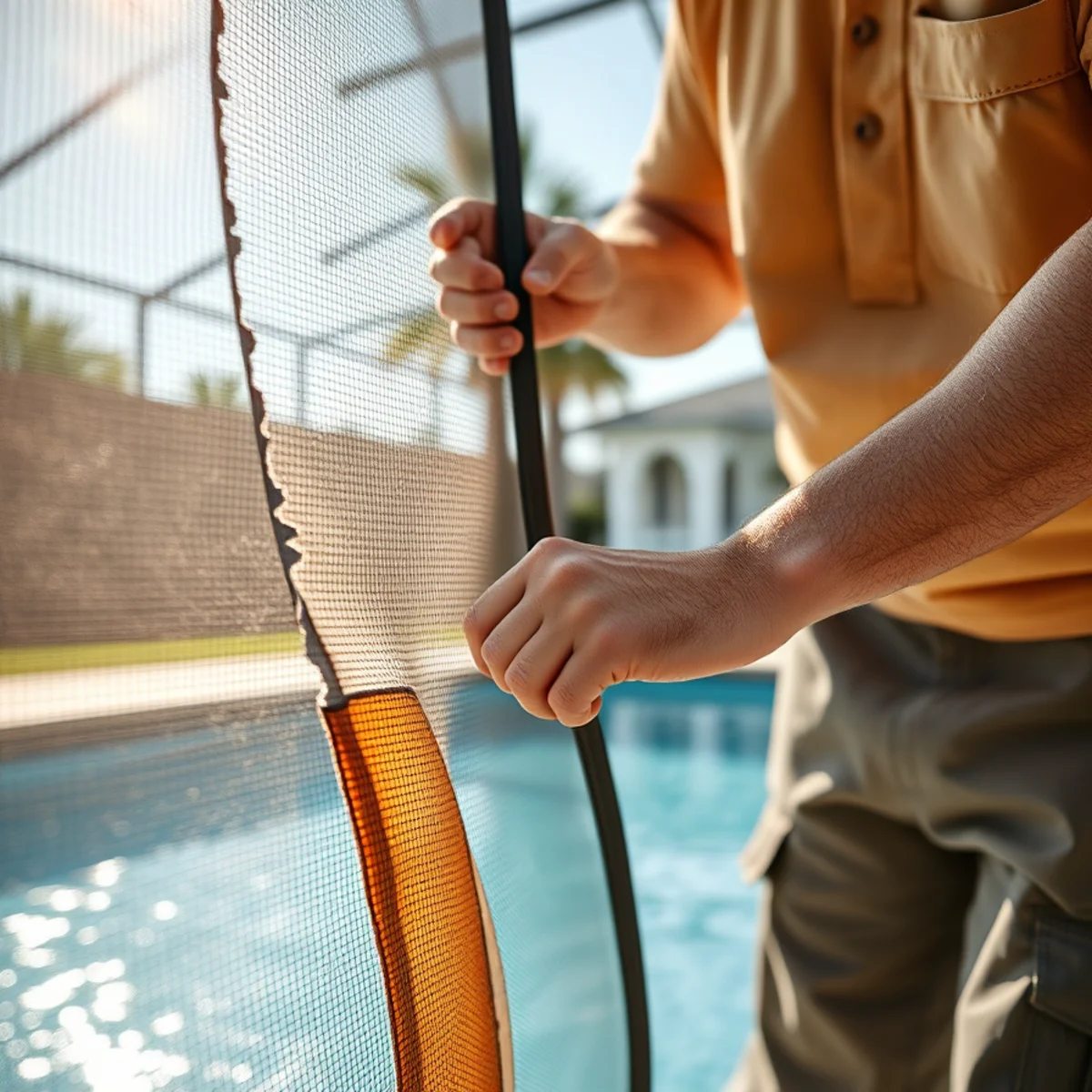
A screen enclosure is an aluminum frame divided into rectangular openings, or bays. Each bay is filled with a span of screen mesh. The mesh is held in place by spline, a flexible rubber cord pressed into a channel around the frame. That is the whole system: frame, mesh, and spline. Once you know the three parts, the repair choices make sense.
The parts that fail
- Spline. The rubber cord dries out, shrinks, and pops loose in our intense sun, letting the screen sag or blow free. It is cheap and quick to re-seat.
- Screen mesh. It tears on a stray branch, stretches out of a corner, or turns brittle and chalky after years of UV and salt exposure.
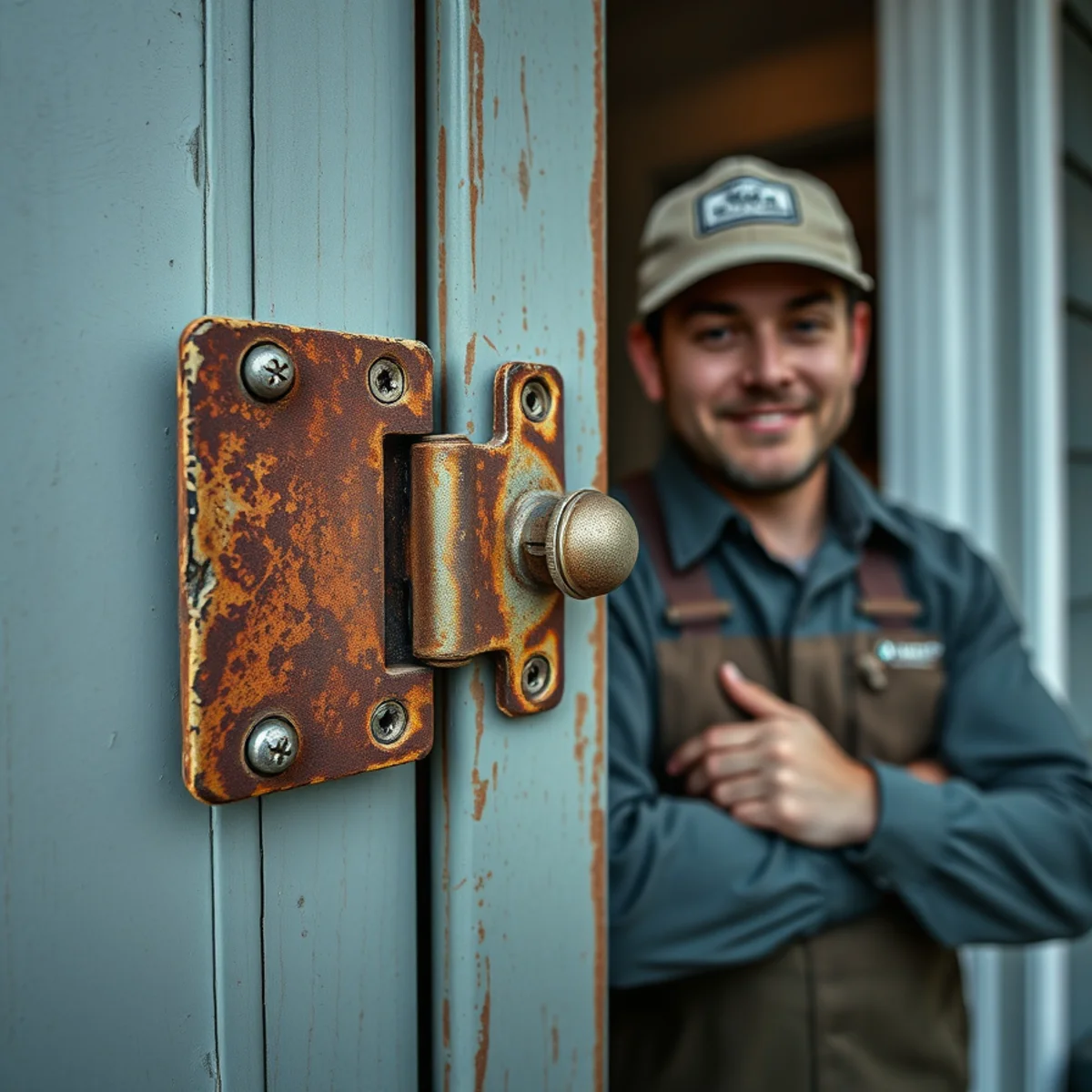
- Frame and hardware. Anchors pull loose, fasteners corrode, kick plates dent, and screen doors sag until they will not latch.
Screen mesh types, and why the choice matters here
Not all screen is the same, and the right mesh depends on your spot on 30A.
- Standard fiberglass, the common 18-by-14 weave. Affordable, good visibility, fine for most cages.
- No-see-um mesh, a tighter weave that blocks the tiny biting midges we get near the dune lakes and marsh, especially at dusk. Worth it if you actually use the pool in the evening.
- Pet-resistant mesh, a heavier vinyl-coated polyester that shrugs off dog claws and rough contact in high-traffic corners.
- Super-screen, a heavy-duty polyester mesh that resists tears and stands up to wind and pool chemicals far better than fiberglass, worth it on large, exposed spans.
Tighter and tougher meshes cut a little airflow and cost more, so we match the mesh to how you use the space.
When a patch is the right call
A patch is honest and appropriate when the damage is small and isolated: a single hole or short tear, well away from the seams, in mesh that is otherwise sound and not brittle. A quality patch or a clean re-seat of the spline in one corner holds fine and costs very little. It will be faintly visible up close, and we will tell you that, but for one snag in an otherwise good panel it is the smart, economical fix.
When to re-screen the whole panel
Once a bay has multiple tears, sagging or stretched mesh, or screen so sun-baked it rips when you press it, patching is throwing good money after bad. Re-screening a panel means pulling the old spline, removing the mesh, rolling in fresh screen, and seating new spline for a tight, invisible result. If a patch would land right in your line of sight, or the mesh is simply old, a full panel re-screen is the better value and looks new again.
How we re-screen a panel, step by step
Re-screening looks simple and is easy to do badly. A loose, wavy panel or spline that pops back out within a season is the usual result of rushing it. Here is the process we follow on every bay:
- Measure the opening and cut fresh mesh a few inches oversized, so there is material to grip and tension.
- Pull the old, dried spline out of the channel and clear the groove of debris and stray screen.
- Lay the new mesh over the frame and tension it evenly so it sits flat, with no ripples, sag, or bow.
- Roll fresh spline into the channel with a spline roller, seating the mesh tight and square as we work around the bay.
- Trim the excess flush to the spline with a hooked blade for a clean, factory-looking edge.
Matching the new spline size to the channel matters as much as the mesh itself: too small and the screen works loose, too large and it will not seat.
When it is the frame or hardware, not the screen
Sometimes the screen is only a symptom and the frame is the real problem. Bent or corroded frame members, anchors pulling out of the deck, and screen doors that drag or will not latch are hardware repairs, not re-screening jobs. Salt air is hard on the small stuff, so we swap corroded screws and worn door hardware for stainless and coated parts that last. A sagging or sticking screen door often overlaps with our door and window repair work, and we handle the enclosure and the door in one visit.
Storm damage is its own category
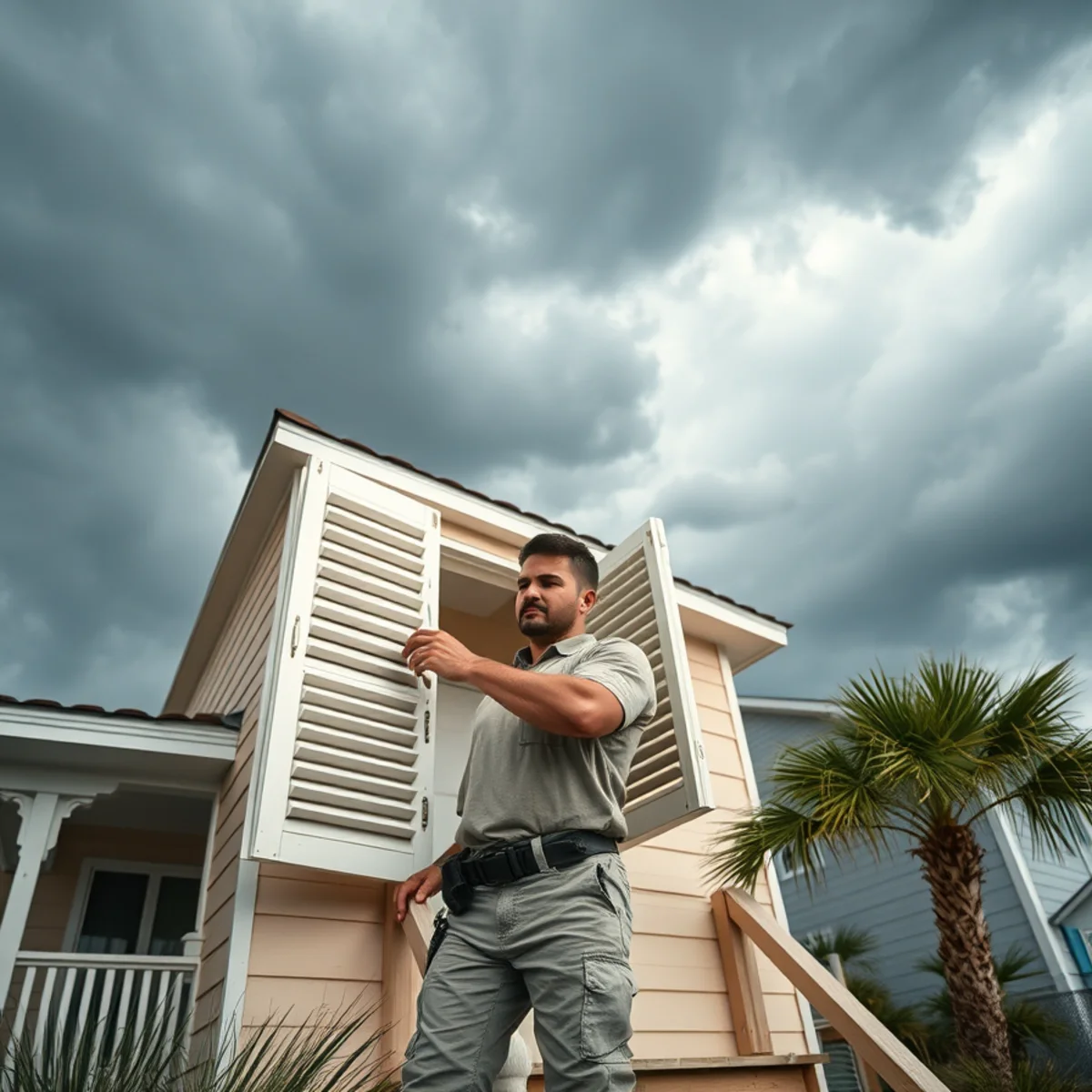
After a Gulf storm, screen enclosures take a beating, and we saw plenty of it helping neighbors recover from the January 2024 tornado. Here is something many owners do not realize: screen is designed to be sacrificial. It is meant to blow out under high wind so the aluminum frame survives, the way a fuse protects a circuit. After a storm we assess the frame and anchors first, because a re-screen means nothing if the structure is racked or the footings have pulled. Full re-screens and frame straightening after wind events are a regular part of our screen enclosure and pool cage repair, and pre-season reinforcement falls under storm prep and hurricane readiness. Our hurricane season checklist covers the rest of the house.
Should you patch it yourself or call us?
A single small hole in reachable, ground-level screen is a fair do-it-yourself job with a patch kit or a fresh run of spline, and we will tell you when that is all it needs. The math changes fast on a full pool cage. High panels over water, tensioning a large span so it does not ripple, and matching spline sizes are where a rental kit turns into a sagging, wavy result. For anything at height or larger than a single low panel, a pro finish is quicker, tighter, and safer.
What drives the cost
A few factors set the price of a screen repair:
- Scope: a single-panel patch is inexpensive; re-screening a large two-story cage is priced by the panel and adds up.
- Mesh type: no-see-um and pet-resistant screen cost more than standard fiberglass.
- Access and height: high panels over a pool are slower and harder to reach safely.
- Hardware and framing: corroded fasteners, bad spline runs, or a failing door add labor.
Pool cages are everywhere in the newer builds around Inlet Beach and the rental homes near the big lagoon pool in Seacrest Beach, and we repair them across the whole 30A corridor. We always give a written estimate so you can weigh a patch against a re-screen with real numbers.
The honest rule is simple: patch what is small and sound, re-screen what is old or badly torn, and fix the frame when the frame is the real issue. Not sure which yours needs? Call 30A Home Fixology at (877) 753-5021 for a free estimate, and we will give you a straight recommendation.